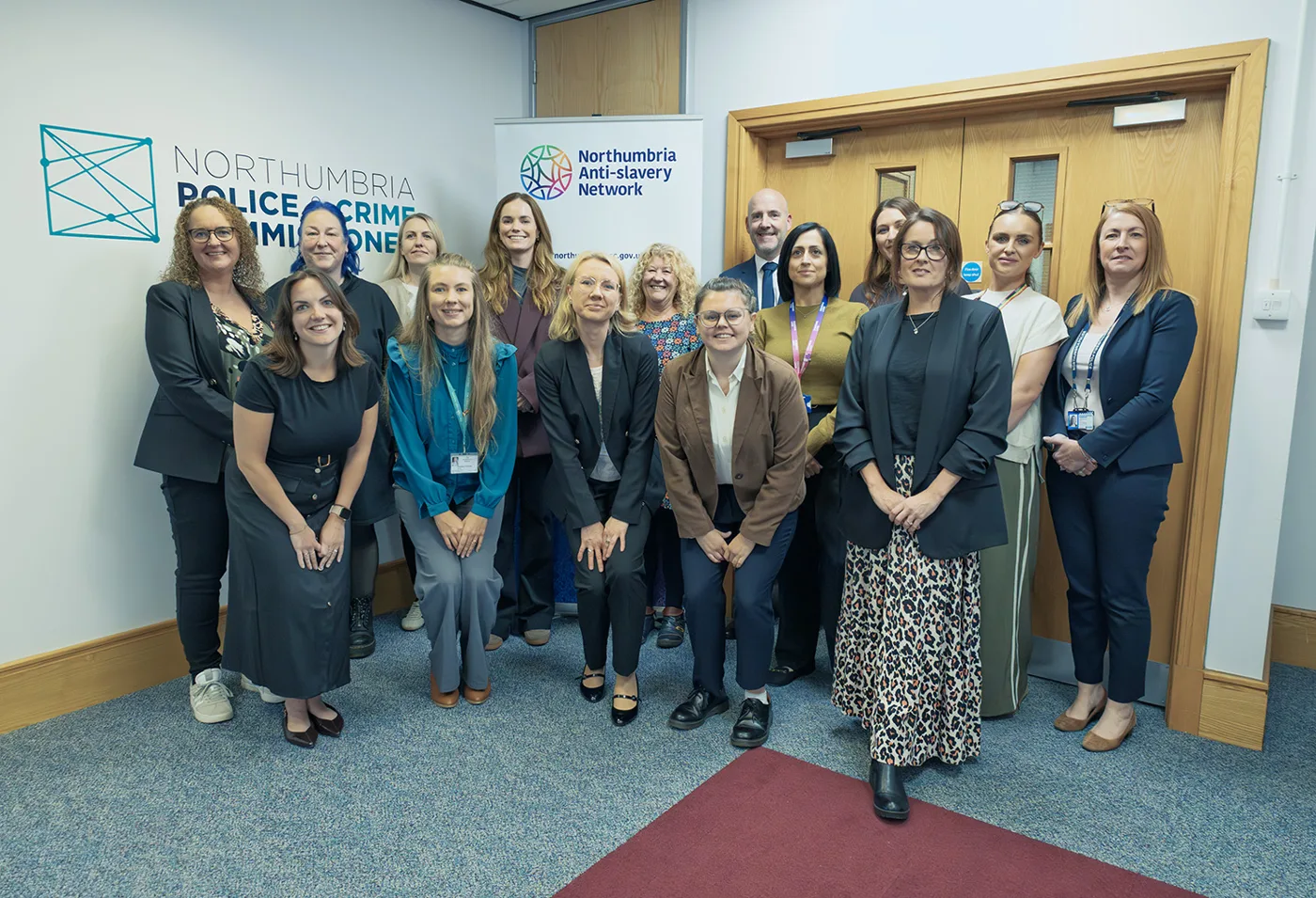

Independent Anti-Slavery Commissioner Eleanor Lyons backed a new Northumbria strategy that covers North Tyneside. What it plans, and where to get help.
A partnership set up last year to tackle modern slavery across Northumbria, including North Tyneside, has published its first strategy, and the Independent Anti-Slavery Commissioner came to the region to see it launched.
Eleanor Lyons, who holds the national role, met members of the Northumbria Anti-Slavery Network ahead of Anti-Slavery Day on Sunday 18 October. The visit was hosted by Susan Dungworth, the Police and Crime Commissioner for Northumbria, whose office says the network used it to present the new Strategy and Delivery Plan 2026-2029.
Who is in the network
The network was set up in 2025 by the Police and Crime Commissioner’s office and Northumbria Police’s Serious Organised Crime Exploitation Team. It brings together the force, the six local authorities across the force area (North Tyneside Council among them), the Violence Reduction Unit and voluntary and community groups.
Its strategy is plain about why that matters locally. “Northumbria is not immune to modern slavery and exploitation,” it says, and modern slavery is named as a key priority in the Northumbria Police and Crime Plan 2025-2029.
What the commissioners said
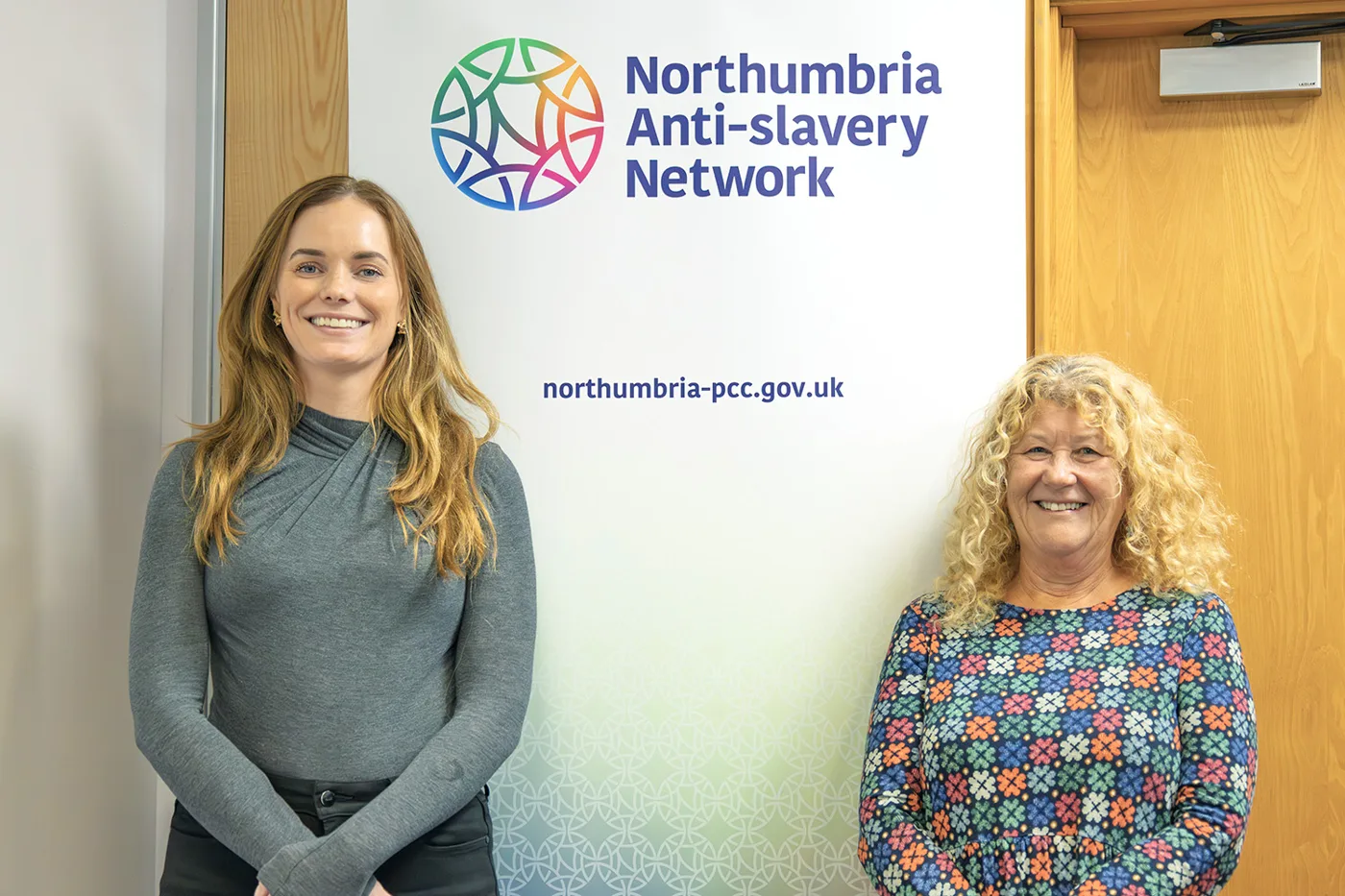
Ms Dungworth said: “Modern slavery is a devastating crime that can leave people trapped, isolated and stripped of their freedom. While it often remains hidden from public view, we know these crimes are happening in our communities and Northumbria is not immune.
“That’s why tackling modern slavery and exploitation features in my Police and Crime Plan. This network is about bringing together partners from across the region to strengthen our response, improve the support available to victim-survivors and ensure we are doing everything possible to identify and prevent exploitation.
“What’s particularly important is that we listen to people with lived experience. Their voices help us better understand the realities of exploitation and ensure our work is informed by those who have been most affected.”
Ms Lyons said: “It was a pleasure to meet everyone and hear about the work taking place across the region to tackle modern slavery and exploitation. I came away with a great deal to reflect on.
“It is particularly encouraging to see modern slavery recognised within the Police and Crime Plan. I know from my work the challenge of maintaining both national and local focus on this issue, so it is especially welcome to see that commitment translated into a strong regional partnership approach.
“I also valued the emphasis on survivor voice within the new strategy. Survivor insight is vital, not only in helping us understand the realities of exploitation, but in shaping priorities and ensuring that prevention and support are grounded in people’s lived experiences.”
What the strategy sets out to do
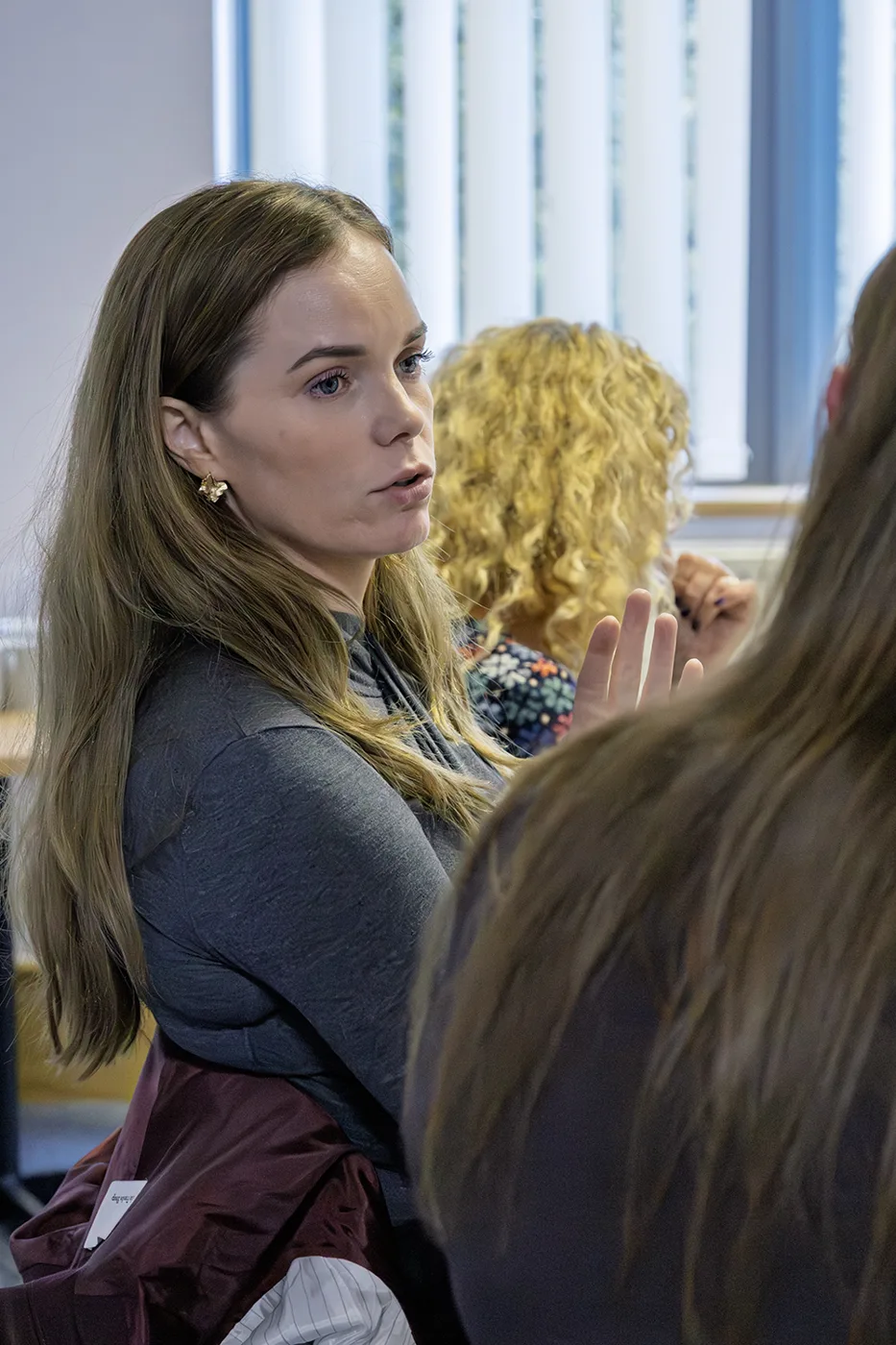
The plan follows the government’s “4 P” approach to modern slavery and groups its work under headings including these three:
- Support for victim-survivors. Partners will map the support pathways across the region so that “anyone who wants support is not missed”, share information about the services that exist with frontline staff, and set up regular contact between the police and survivor support services so people can speak to specialists earlier. The commissioner’s office will keep commissioning specialist support.
- Information sharing. The network wants shared ways of passing intelligence between partners, and will use National Referral Mechanism, police, council and support service data to pick out the areas and sectors exploiters are targeting.
- Victim-survivor voice. A Victims Voice subgroup will look at how to capture the views of people with lived experience, so that survivors can “share their experiences and influence strategy”.
The document also gives the scale of the problem. In 2025, it says, 23,411 potential adult and child victims of modern slavery were referred to the Home Office through the National Referral Mechanism. Unseen’s modern slavery and exploitation helpline took 21 calls about modern slavery in Northumbria in 2025, involving labour, sexual and criminal exploitation. The network says the true number of cases “is likely to be much higher due to the hidden nature of these crimes”.
Recent cases in the region
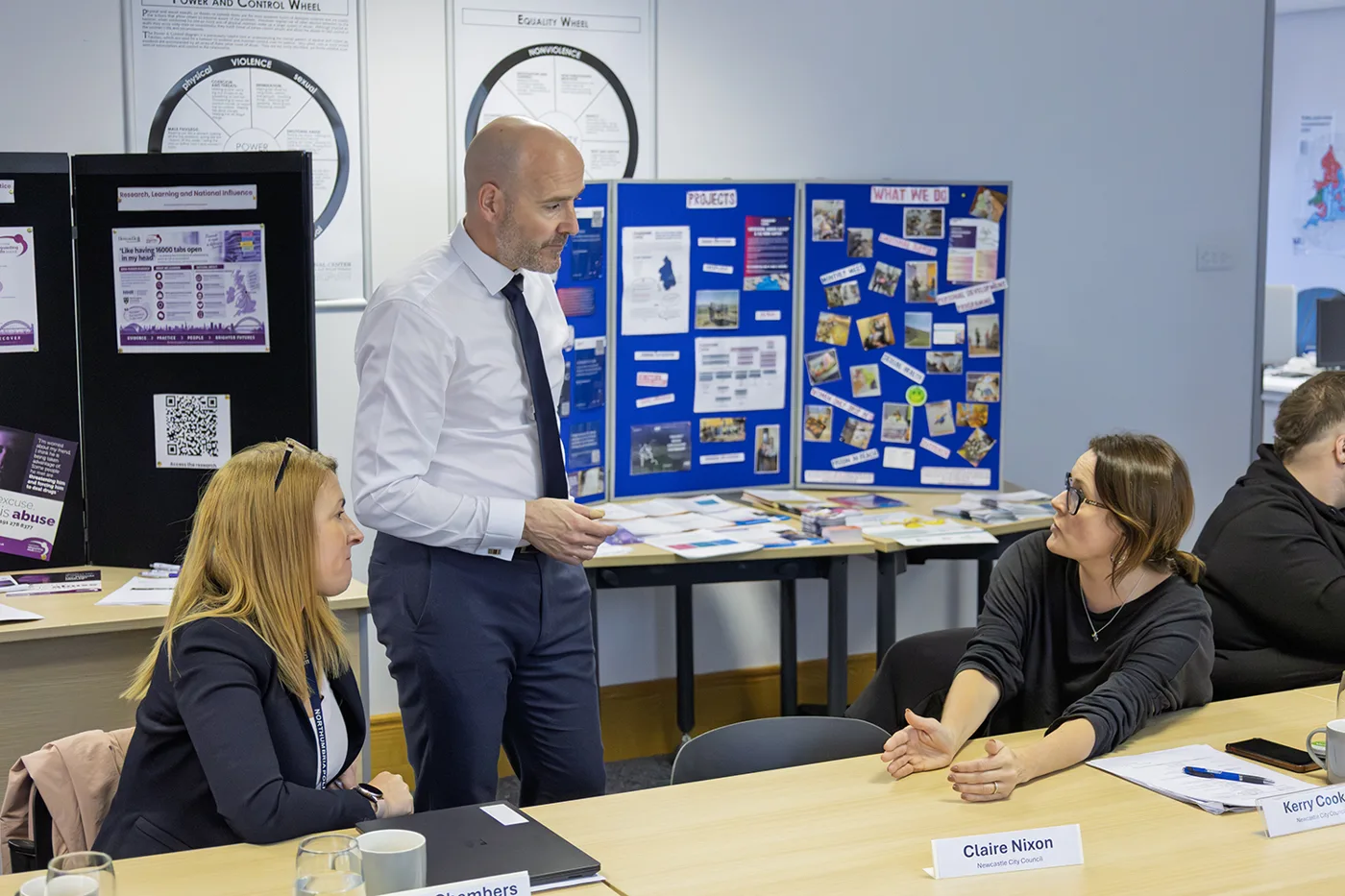
The commissioner’s office points to recent police work as evidence of what the partnership is up against. Last year an operation in Newcastle led to ten arrests and ten potential victims being safeguarded, in an investigation into suspected human trafficking and sexual exploitation. On Wednesday 14 October, it says, three people were arrested in an investigation into modern slavery across Newcastle, Gateshead and South Tyneside, at addresses in the Elswick, Bensham and Boldon Colliery areas.
Victims can be any nationality, gender or age, the strategy says, and many “may not know that they are a victim”, having been told that what is happening to them is normal. It lists the barriers that stop people coming forward: fear over immigration status, fear of being criminalised, not knowing where to get help, language, and depending on the exploiter for money or somewhere to live.
Where to get help
Anyone worried that they, or someone they know, may be a victim of modern slavery or exploitation can contact Northumbria Police through its website, by live chat, by direct message on social media, or by calling 101. In an emergency, or if a crime is happening now, call 999.
The commissioner’s office keeps a full directory of victim services. The network’s full strategy is here as a PDF.
Have your say