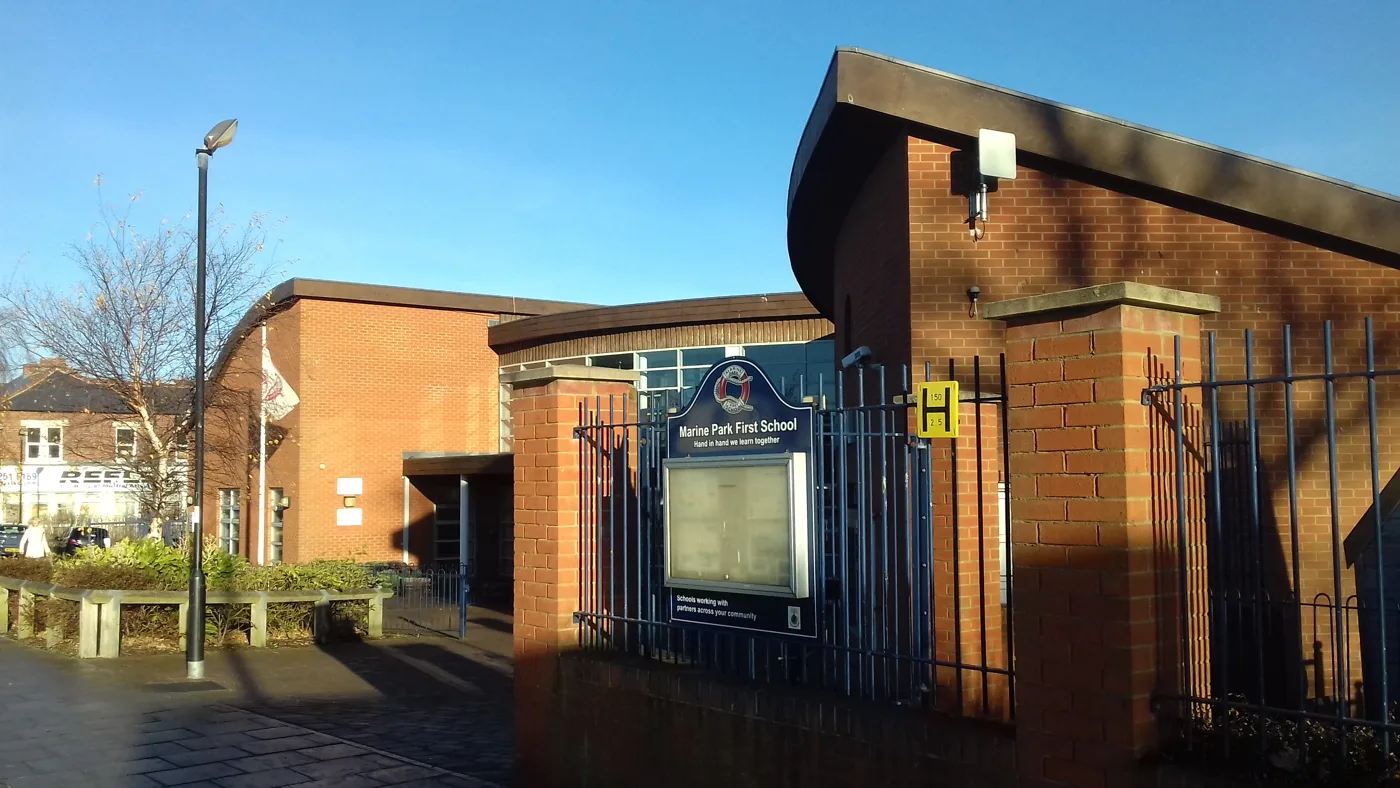
Every child in a Universal Credit household qualifies for free school meals from September, whatever the parents earn. North Tyneside families should check now.
From the start of the autumn term, every child in a household receiving Universal Credit is entitled to free school meals, whatever the household earns. Until now, the government says, “children have only been eligible for free school meals if their household income is less than £7,400 per year”. That cap no longer keeps families out. (Department for Education)
North Tyneside Council is urging families to check before term starts rather than after. Its Student Support Service is running eligibility checks on behalf of schools now, “to ensure eligible pupils can receive free school meals from the beginning of the school year”. (North Tyneside Council)
The government announced the change on 4 June 2025 and expects over half a million more children in England to become eligible, lifting 100,000 out of poverty and saving families around £500 a year each.
Who has to do something, and who does not
If your child already gets free school meals, you do not need to reapply. The council says eligibility “will be checked automatically by the North Tyneside Student Support Service”.
If you receive Universal Credit and your child does not currently get free school meals, you do need to act. Councillor Tracy Hallway, cabinet member for education, employability and skills, put it plainly: “If you receive Universal Credit and your child does not currently receive free school meals, I would encourage you to check your eligibility with our Student Support Service as soon as possible.”
That is not just encouragement. Department for Education guidance is explicit that a pupil is eligible only where “a claim for this support has been made” and “their eligibility has been verified by the school where they are enrolled or by the local authority”. Nobody is enrolled automatically on the strength of being on Universal Credit.
Families in North Tyneside can check by calling the Student Support Service on 0191 643 2288. The council says households found eligible from 1 June 2026 onwards will keep the provision throughout the 2026/27 academic year.
The catch nobody is putting in a press release
Two details in the government guidance matter locally and are easy to miss.
First, the transitional protections that have shielded families since the last round of benefit changes end with the 2025/26 academic year. From September, “households must meet the FSM eligibility criteria from the start of the 2026 to 2027 academic year to continue receiving provision”. A family that was protected rather than currently eligible should check, not assume.
Second, there are now two categories, and they are not the same thing. Children in Universal Credit households earning £7,400 or less get “targeted” free school meals, which carry pupil premium and disadvantage funding for the school. Children in Universal Credit households earning above £7,400 get “expanded” free school meals, which are meals only. (DfE free school meals guidance)
The practical effect is that a school can serve many more free meals without its pupil premium rising to match. Schools do get a separate free school meals expansion grant towards the cost of the extra meals, but that is meal money, not the disadvantage funding that pays for tutoring and pastoral staff. It is worth remembering the next time a local school explains its budget.
The duty covers maintained schools, academies and free schools, plus school-based nurseries, maintained nursery schools and non-maintained special schools.
How many local children this reaches
The change lands very differently across the borough. Free school meal eligibility on the current rules ranges from roughly one child in nine to nearly two in five, depending on the school.
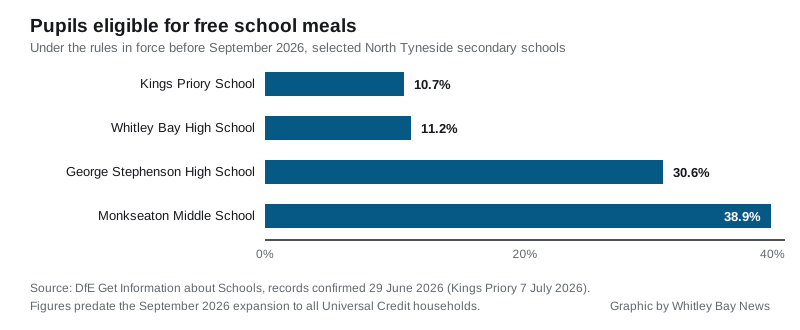
On the Department for Education’s register, 10.7 per cent of pupils at Kings Priory School and 11.2 per cent at Whitley Bay High School were recorded as eligible, against 30.6 per cent at George Stephenson High School in Killingworth and 38.9 per cent at Monkseaton Middle School. Three of those records were confirmed on 29 June 2026 and Kings Priory’s on 7 July 2026.
Those are the figures before the rules change, so they are the baseline, not the outcome. The households that gain are the ones just above the old line: working parents on Universal Credit whose earnings pushed them over £7,400 and who have been paying for meals while claiming the benefit.
For a sense of the scale in a single school, the statutory proposal behind the closure of Monkseaton High School on 31 August recorded 30.0 per cent of its cohort as eligible under the old threshold.
What it means for you
Do the check now, in August, rather than in the first week of term. The council is running verification ahead of the autumn term precisely so that meals start on day one, and a claim made in September will take time to work through.
Ring the Student Support Service on 0191 643 2288, or go through your child’s school office, which can also verify. You will need your National Insurance number and your Universal Credit details.
Claim even if your child is in Reception, Year 1 or Year 2 and already gets a free meal under universal infant free school meals. Those infant meals are automatic and separate from the benefits-based scheme, and it is the benefits-based registration that carries the extra funding into the school.
If your household finances have changed for other reasons, Council Tax Reduction is claimed separately and cuts the bill rather than paying cash. Our North Tyneside claimant count report tracks how the local jobs market is moving, and our Whitley Bay house prices page follows the other half of the household cost picture.
Have your say
We read every message. To comment on this story, email the newsdesk and we may publish a selection of responses: hello@whitleybaynews.co.uk.